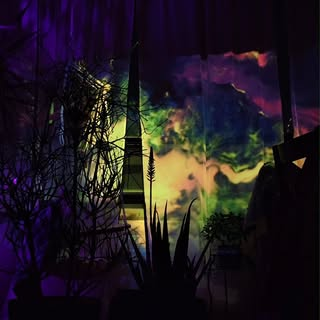
Taljyot is an experience design studio. We work with the two forces that define how a space feels before a single object in it is consciously noticed: light and sound. Together they are not decorative — they are structural. They determine whether a room makes you anxious or calm, alert or dreamy, expansive or intimate. We design that.
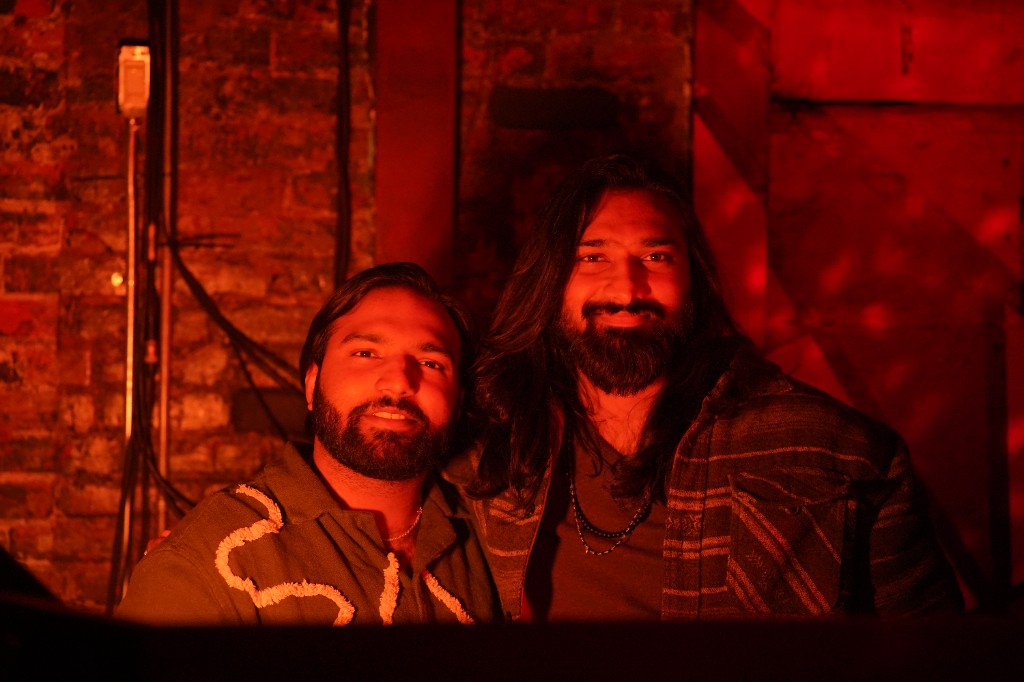
Taljyot was founded in Detroit by Abhishek Sen and Dhwanil Panchal — two multidisciplinary designers whose practice is grounded in Indian tradition, where sound has always been understood as the fundamental material of the universe (Nada Brahma: the world is vibration), and where visual geometry has always been a map of acoustic and spiritual frequency. They bring those principles forward through contemporary tools: TouchDesigner for real-time audiovisual systems, Gravity Sketch and Blender for spatial 3D design, and deep material craft for the physical world that receives the light and holds the sound.


We begin every project by asking one question: what should a person feel the moment they cross the threshold? Not think — feel. Awe. Calm. Dissolution. Presence. Once we know the target emotion, we reverse-engineer it through the two most direct routes to human sensation: the light the eye receives and the vibrations the body absorbs. Sound and light are not separate disciplines here — they are one system designed together from the first sketch.
Start a conversation
We design in VR with Gravity Sketch — standing inside the space at full scale before anything is built. We build the visual system in Blender and run it live in TouchDesigner, which handles both audiovisual reactivity and spatial audio routing simultaneously. The sound system placement, the acoustic treatment of surfaces, the sub-bass distribution across a room — these are designed alongside the light, not after it. Indian tradition gave us this understanding first: in cymatics, in the yantra, in the raga system — sound and form have always been the same thing.
See completed worksFor interiors — residences, restaurants, hotels, wellness spaces, cultural venues. We design the complete sensory environment: light temperature, directionality, and rhythm alongside room acoustics, speaker placement, and curated sonic atmospheres. The goal is a single emotional state, engineered from every sensory channel simultaneously.
Discuss your space →Permanent and temporary sculptural commissions where light and resonant sound are inseparable parts of the same form. Visualised in Gravity Sketch and Blender, fabricated with precision by hand. Some pieces carry embedded speakers or resonant chambers tuned to specific frequencies — objects that your body responds to before your eye fully processes them.
Commission a work →From underground techno nights to multi-stage festivals — we design the complete audiovisual world. Stage architecture, sound system layout and sub-bass sculpting, real-time reactive light via TouchDesigner, projection-mapped structures, and generative visuals that respond to the music live. Every frequency has a visual partner. Every photon has a sonic context.
Talk about your event →I walked into the space before the event opened and stood there alone for five minutes. I couldn't explain what was happening to me. The sound wasn't loud — it was low, almost subsonic. The light was doing something I didn't have words for. That's what they made. It set the entire tone for the night before a single guest arrived.
They told us early on that they wouldn't design the light and the sound separately. We didn't fully understand what that meant until we heard the space. The acoustic work made the light feel warmer. There is no rational explanation for that. It just does.
Most light designers treat sound as someone else's problem. Taljyot built the sub-bass distribution into the stage geometry. The rumble you feel at the front came from where they placed the structure. The room became an instrument. I've never experienced anything like it.
Every project begins with an emotion, not a brief. Before we discuss fixtures or frequencies, we want to understand what the experience should do to the people inside it — calm them, move them, expand them, ground them.
We work with festival producers, architects, interior designers, hospitality groups, artists, and private clients globally. For international projects we begin with a video call — we find that discussing sensation works better in conversation than in documents.
Someone from the studio will respond within two working days. In the meantime, explore our latest work on @tal.jyot.

The moment we realised sub-bass placement was a spatial design decision, not a technical one, our entire practice changed. Here's how we think about sound and light as one discipline.

Indian tradition understood what psychoacoustics is only now confirming: sound is the primary material of reality. This is why it sits at the centre of our work.

Awe is produced by specific visual and acoustic conditions. So is calm. So is grief. We've been cataloguing the ingredients — and this is what we've learned.